Wedding and Festive Jewellery: Getting More from Your Budget with an Independent Jeweller
Festive campaigns cost big brands a fortune, and buyers pay for them. Here's how a small studio designs around the occasion, plus a wedding-jewellery timeline.
- Wedding season and festivals are when big brands spend the most on advertising, and that spending shows up in the price.
- An independent jeweller can match a piece to the outfit, the ceremony and the family's taste, not just the catalogue.
- Plan early: made-to-order pieces need time for design and CAD approval.
From Dhanteras and Diwali to Karva Chauth and the wedding season, the last months of the year are when Indian families buy the most jewellery. They are also when large brands run their biggest campaigns. If you're planning a bridal set, a mangalsutra or a festive gift, here's why an independent jeweller is worth a serious look.
The festive-season price problem
During festivals, big brands compete hard for attention: television ads, celebrity campaigns, mall promotions, "making charges off" offers. Those campaigns cost a great deal, and the money comes from somewhere. Often the headline discount is taken from a price that already carries those costs.
A small studio doesn't run national campaigns. What you pay is mostly the laboratory-grown diamonds, the gold, the making and GST. That leaves more room in the budget for the piece itself, which matters most when you're buying several pieces for a wedding.
Pieces made for the occasion
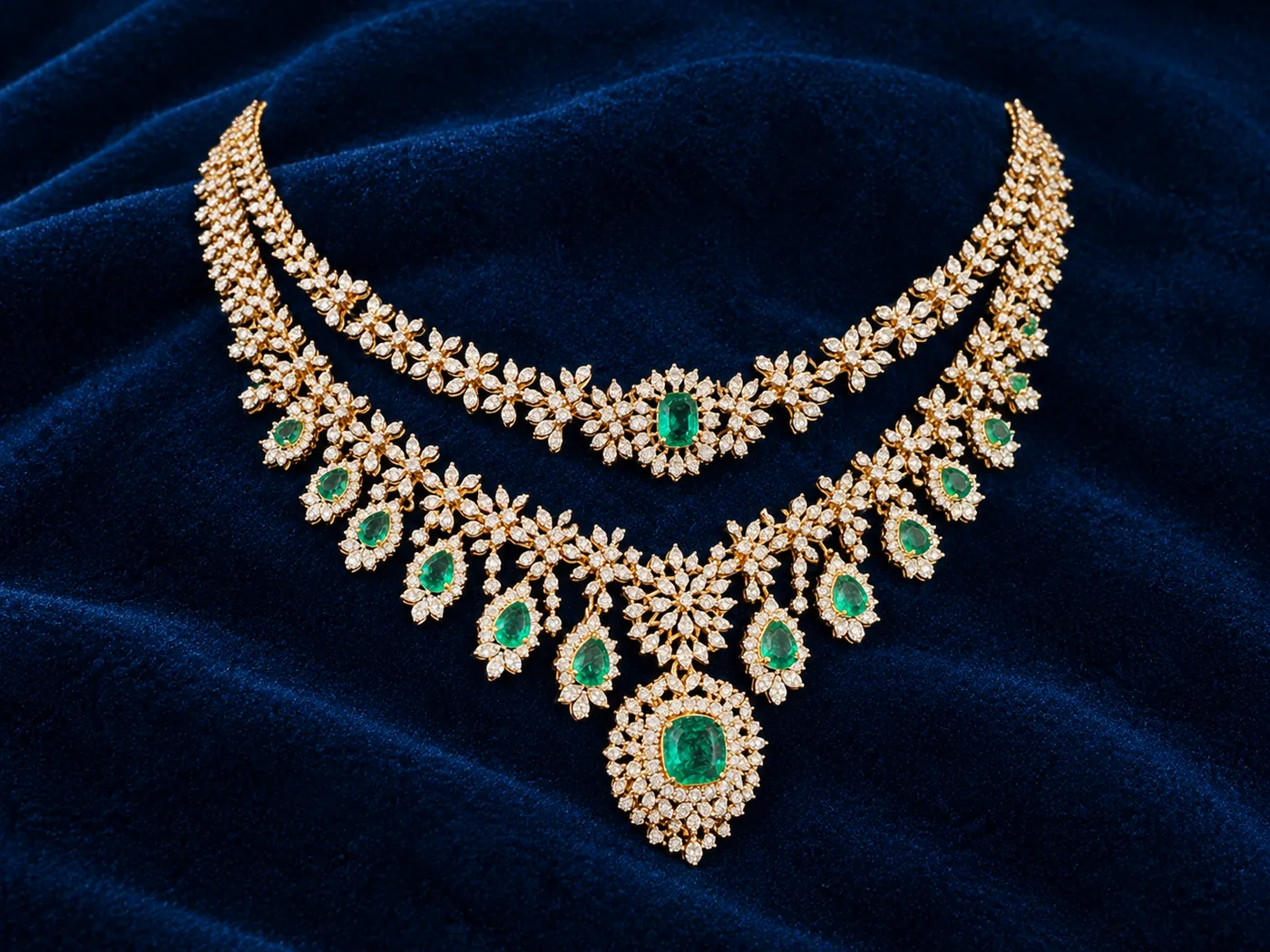
Wedding and festive jewellery is rarely bought on its own. It has to go with a particular saree or lehenga, a family tradition, or a set the bride already has. Catalogue pieces force you to compromise. A made-to-order jeweller can design around the occasion:
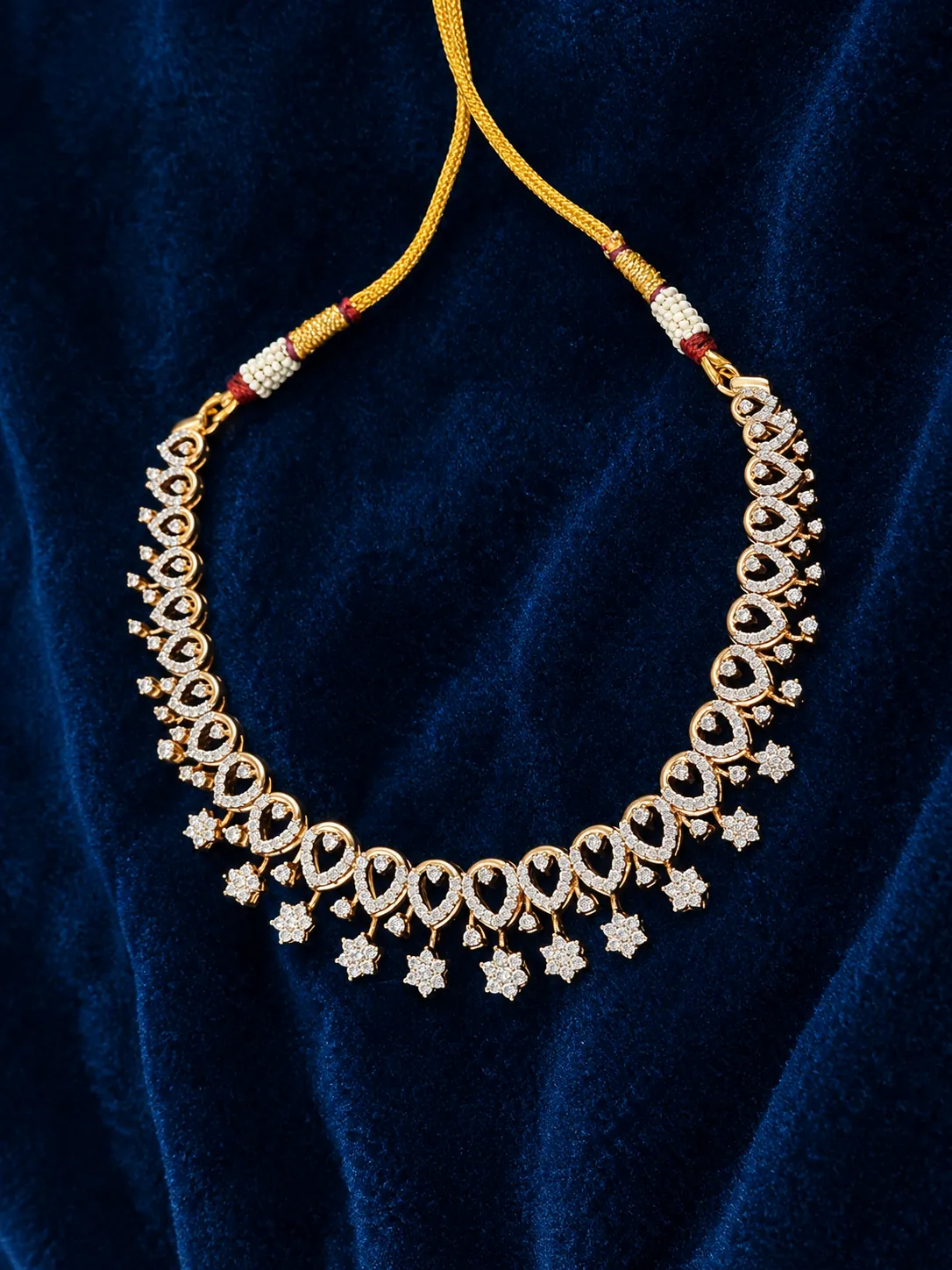
- Bridal necklaces and chokers sized to the neckline of the outfit.
- Mangalsutras with a pendant that suits daily wear after the wedding, not just the ceremony.
- Coloured stones, such as emeralds or laboratory-grown sapphires, matched to the colours of the outfit.
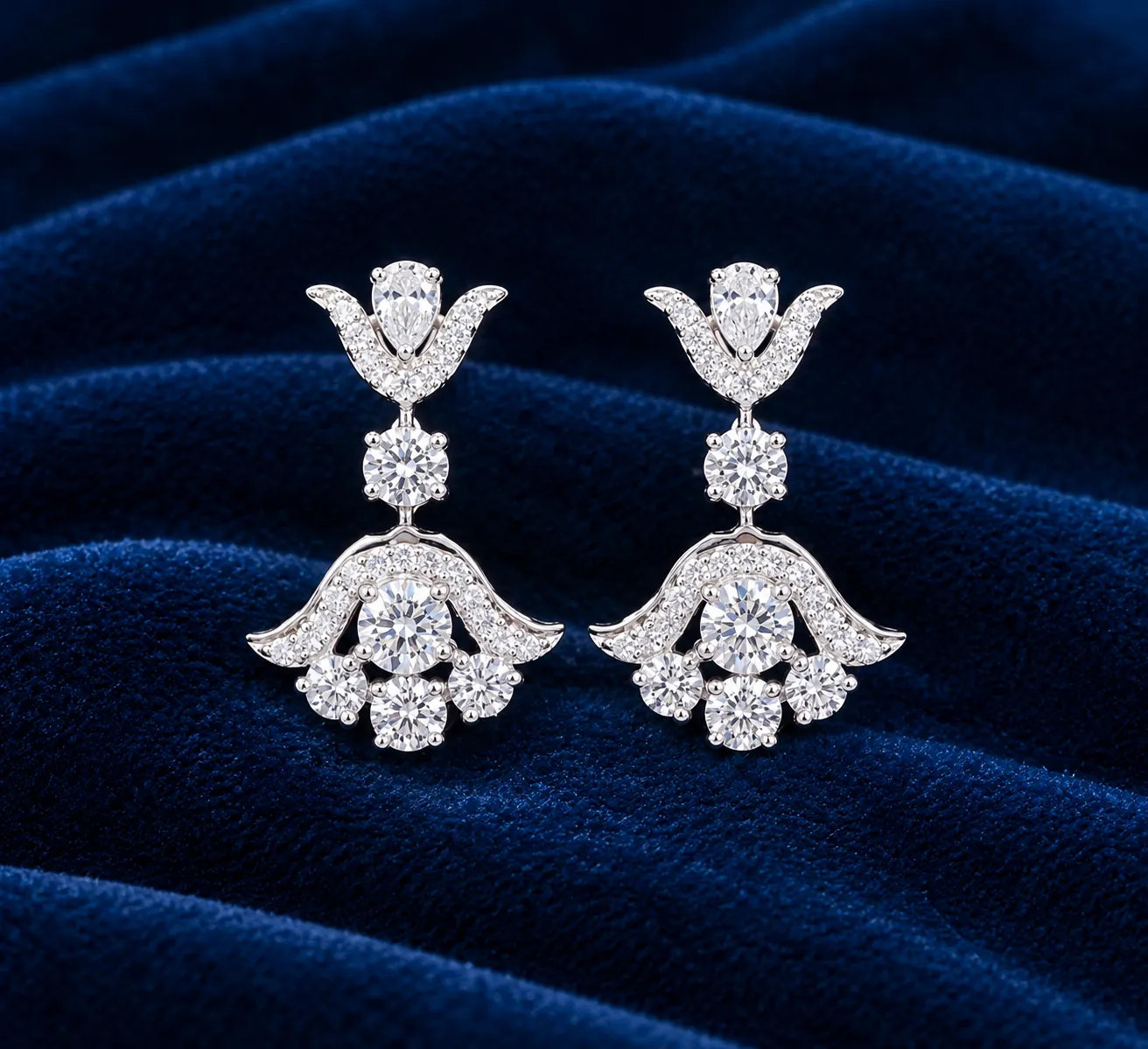
- Matching sets of necklace, earrings and bangles designed together.
Service when it matters most
Weddings bring deadlines, changing plans and many opinions. With a big chain, your order is one of thousands in the busiest weeks of the year. With an independent jeweller, you deal directly with the people making your piece. At Ray Diamonds, you get an approximate price first, then a CAD design to approve with the family before anything is made, so there are no surprises at the end.
A wedding-jewellery planning timeline
- 8–12 weeks before: decide which pieces you need and your total budget. Collect reference photos and outfit colours.
- 6–10 weeks before: share them with your jeweller, get approximate prices and agree on designs.
- 5–8 weeks before: approve the CAD designs. Production starts.
- 1–2 weeks before: collect, try on with the outfit and make any final adjustments.
For a simple festive gift, a shorter timeline is usually fine. Tell us your date in the first message.
Gifting for Diwali and Karva Chauth
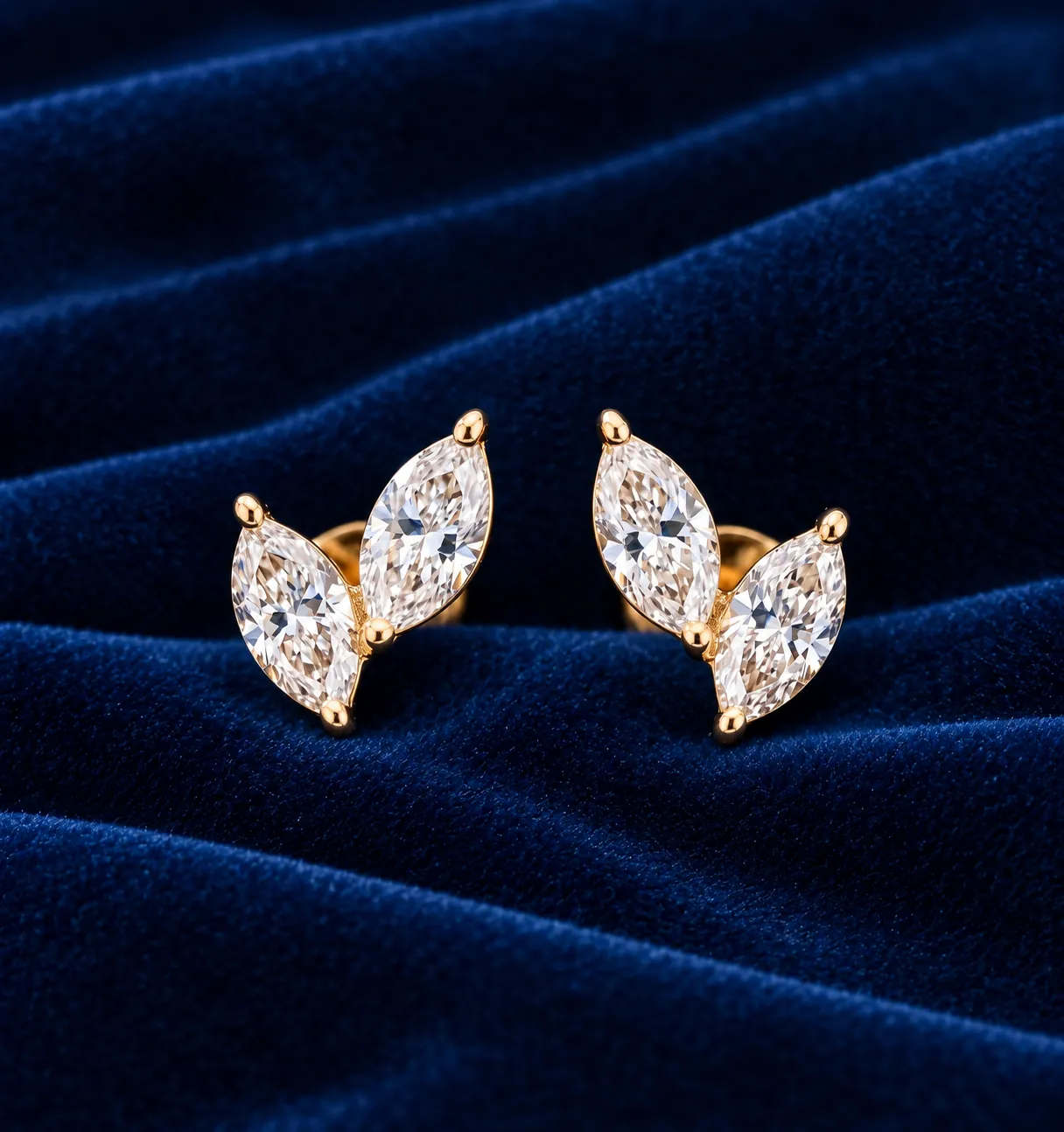
Laboratory-grown diamond studs, a pendant or a light everyday mangalsutra make thoughtful festive gifts. They give you a real diamond with real sparkle at a far more comfortable budget than a mined stone of the same size. A small studio can also add a personal touch, such as an initial hidden in the setting.
What to check before you buy, anywhere
- The description says laboratory-grown diamond in full, as Indian standards require.
- Larger stones come with an independent grading report you can verify online.
- The gold carries a BIS hallmark with HUID.
- You know the approximate price before you commit.
Quick answers
How early should I order wedding jewellery?
For custom bridal pieces, start 8–12 weeks before the wedding to allow for design, CAD approval and making.
Are laboratory-grown diamonds suitable for a mangalsutra?
Yes. They are as hard as mined diamonds, so they suit daily wear, and they let you choose a brighter, larger stone within budget.
Planning a piece?
Tell us the occasion and a rough budget. You'll get an approximate price and a CAD design before anything is made.