What Does a Laboratory-Grown Diamond Cost in India? How the Price Is Built
Stone, gold, making charges, GST: what actually decides the bill for laboratory-grown diamond jewellery, and how to make your budget go further.
- A piece's price is stone + gold + making charges + GST. The diamond is not always the biggest part.
- Laboratory-grown diamond prices have fallen steeply since 2022, so old price lists are out of date.
- Ask for an itemised quote and you can see exactly where your money goes.
"How much does a lab-grown diamond ring cost?" is one of the most searched jewellery questions in India, and one of the hardest to answer with a single number. Prices change quickly, and a finished piece is more than its stone. This guide explains how the price is built, so any quote you get — from us or anyone else — makes sense.
Why prices have dropped so much
Laboratory-grown diamond production has expanded rapidly, and India is one of the largest producers and exporters. As supply grew, prices fell. India's average export price for laboratory-grown diamonds went from about $389 per carat in 2022 to about $71 per carat in January–May 2026, according to Department of Commerce data reported by Angel One. Over the same period, natural diamonds averaged roughly $758 per carat.
Two things to keep in mind:
- These are wholesale export averages across every size and quality. A certified one-carat centre stone costs more than that average; a tiny accent stone costs much less.
- Because prices have moved so fast, a price chart from even a year ago may be well off today. Always ask for a current quote.
What makes up the price of a finished piece
1. The diamond (or diamonds)
The stone's price depends mainly on the 4Cs:
- Carat (weight). Price rises faster than weight, and it jumps at popular sizes such as 0.50 ct and 1.00 ct. A 0.95 ct stone can cost noticeably less than a 1.00 ct one that looks almost identical once set.
- Colour. Graded from D (colourless) downwards. Once set in yellow or rose gold, the difference between neighbouring grades is hard to see.
- Clarity. Many stones graded VS or even SI look clean to the naked eye and cost less than the top grades.
- Cut. Arguably the grade most worth paying for, because cut is what makes a diamond sparkle.
Shape matters too (rounds generally cost more per carat than fancy shapes like oval or pear), and so does an independent grading report, which adds a small cost but protects you.
2. The gold
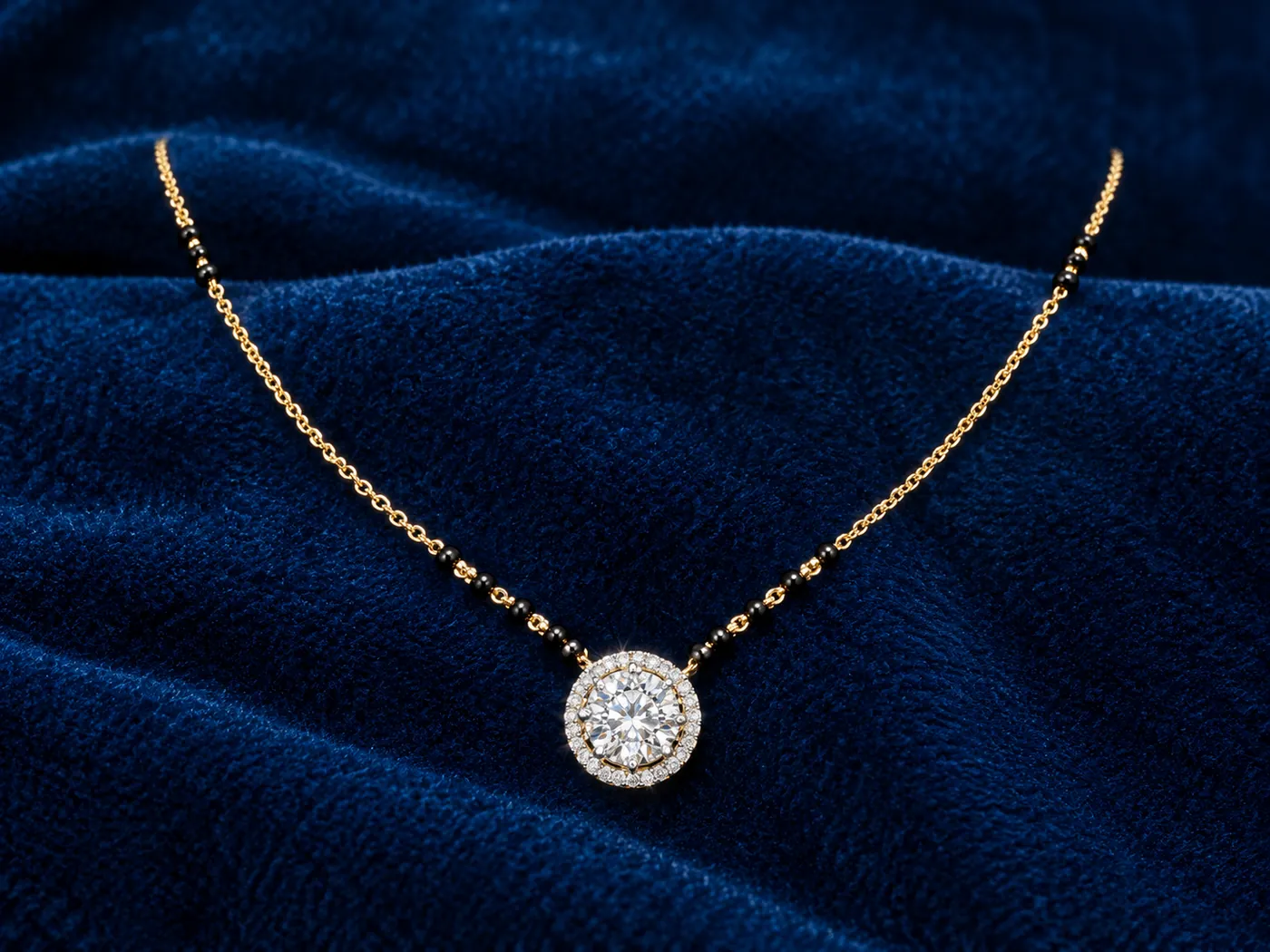
Gold is priced by weight and purity, and the gold price moves daily. Diamond jewellery is commonly made in 18K (75% gold) or 14K (58.5%), which are harder and hold stones more securely than 22K, and cost less per gram. A heavier design, such as a broad bangle, a choker or a mangalsutra with substantial gold work, can make the metal a major part of the bill.
Gold jewellery in India should carry a BIS hallmark with a six-character HUID code, which you can check in the BIS CARE app.
3. Making charges
This covers design, casting, setting and finishing. Intricate pavé work with dozens of tiny stones, or a fully custom design, takes far more hours than a simple solitaire. Making charges may be quoted per gram or as a flat amount.
4. GST
GST is added to the final jewellery bill. Make sure your quote says whether it includes GST.
Where the money goes: two examples
Without quoting figures that will be out of date next month, the balance shifts like this:
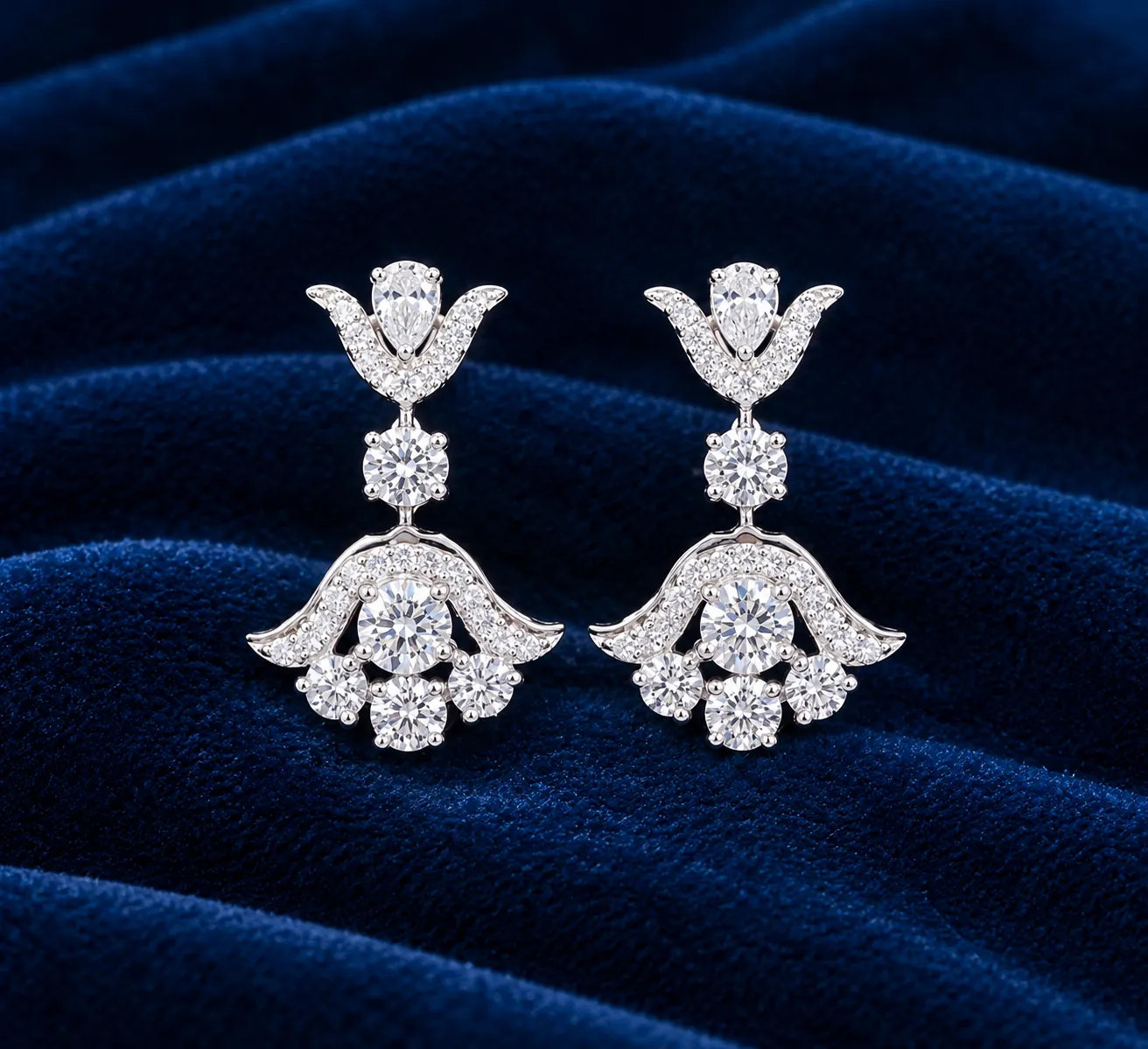
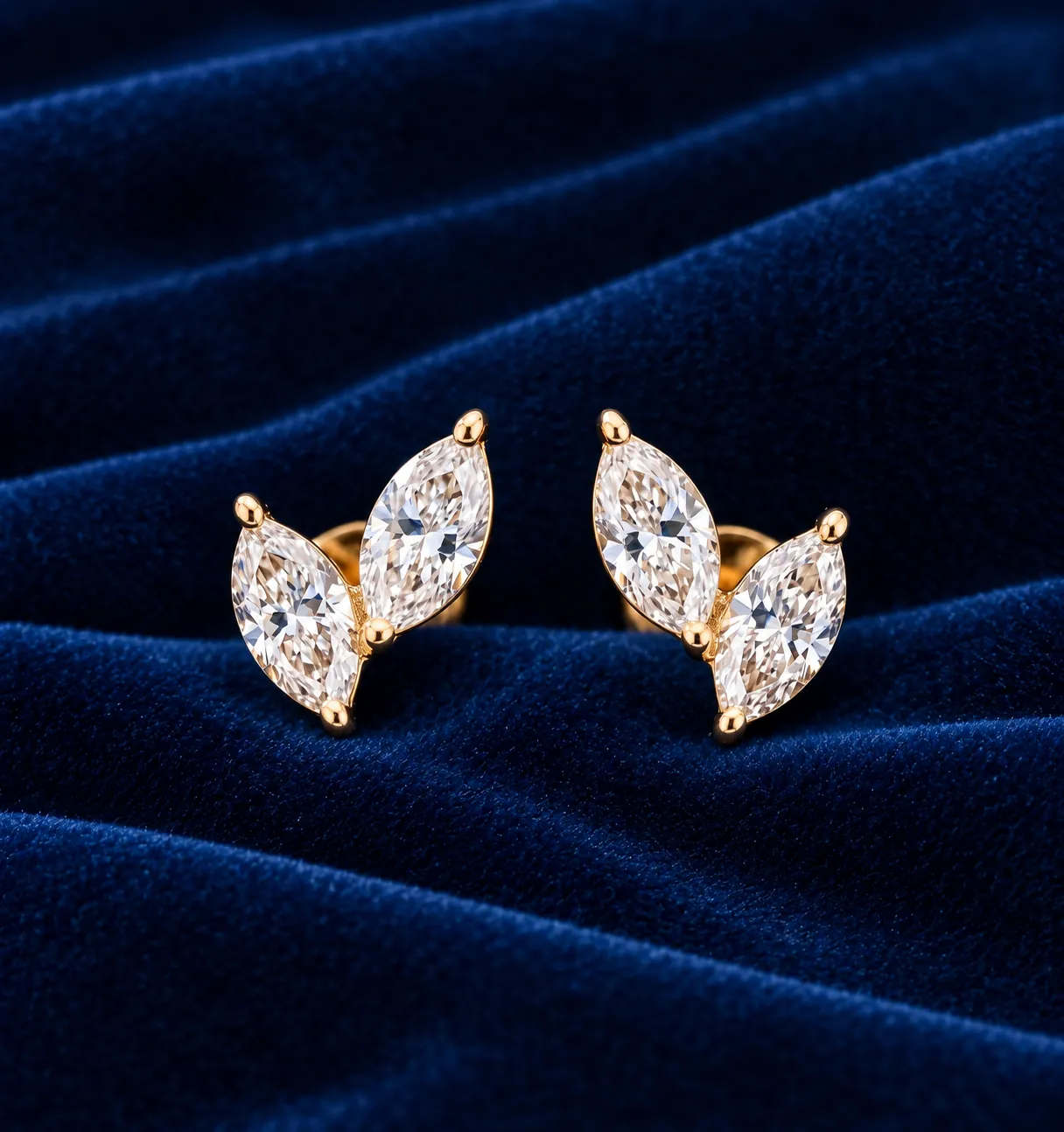
- A solitaire ring or pendant with a single larger centre stone: the diamond is usually the biggest share of the price.
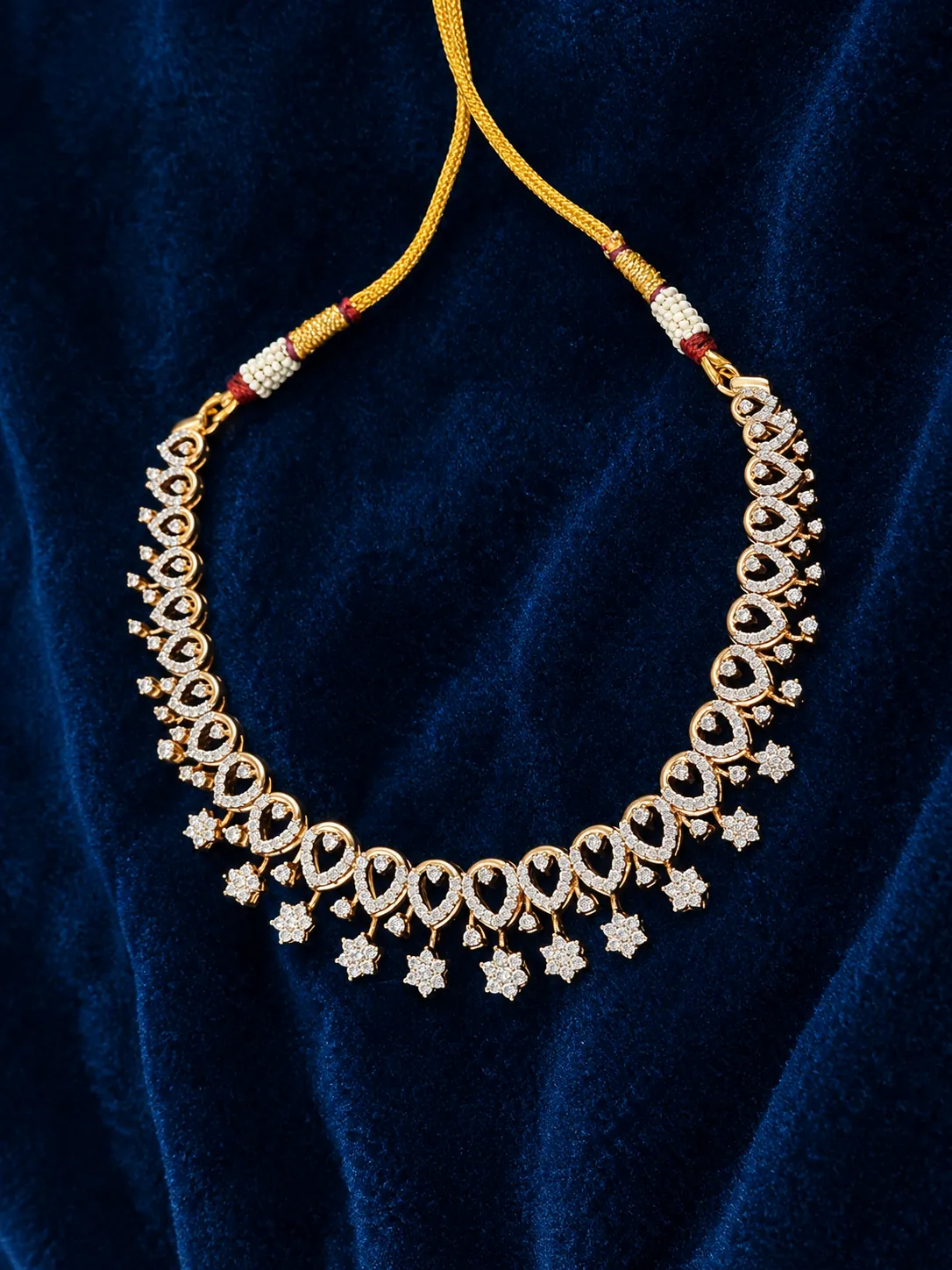
- Studs, cluster pieces, necklaces or a mangalsutra with many small stones and more gold: the gold and making charges can easily outweigh the diamonds.
That's why two pieces with the "same carat weight" can be priced very differently.
How to make your budget go further
- Start with the occasion and a total budget, not a carat number. A good designer will suggest how best to split it.
- Prioritise cut, then choose the lowest colour and clarity that still look clean to you.
- Buy just under the round numbers, for example 0.90–0.95 ct instead of 1.00 ct.
- Pick the metal for the design. 18K or 14K is usually the better choice for diamond settings.
- Ask for an itemised quote: stone(s) with report numbers, gold weight and purity, making charges and GST, listed separately.
A word on value
Laboratory-grown diamonds give you far more stone for your money than natural ones. They are not an investment. Resale value is very low, and prices may keep falling. Choose a piece you'll love wearing.
If you'd like a real number for your idea, message us on WhatsApp with the occasion and your budget, and we'll tell you what's possible.
Quick answers
Why are laboratory-grown diamonds so much cheaper than natural ones?
Production has scaled up quickly and wholesale prices have fallen year after year. India's average export price for laboratory-grown diamonds dropped from about $389 per carat in 2022 to about $71 per carat in January–May 2026, according to Department of Commerce data reported by Angel One.
Is the diamond the most expensive part of the piece?
Not always. In pieces with many small stones, or with heavier gold work, the gold and making charges can be a larger share of the bill than the diamonds.
How can I get more for my budget?
Choose a colour and clarity that look clean to the eye rather than the top grades, consider 18K or 14K gold instead of 22K for diamond settings, and stay just below popular carat weights such as 1.00 ct.
Planning a piece?
Tell us the occasion and a rough budget. You'll get an approximate price and a CAD design before anything is made.